
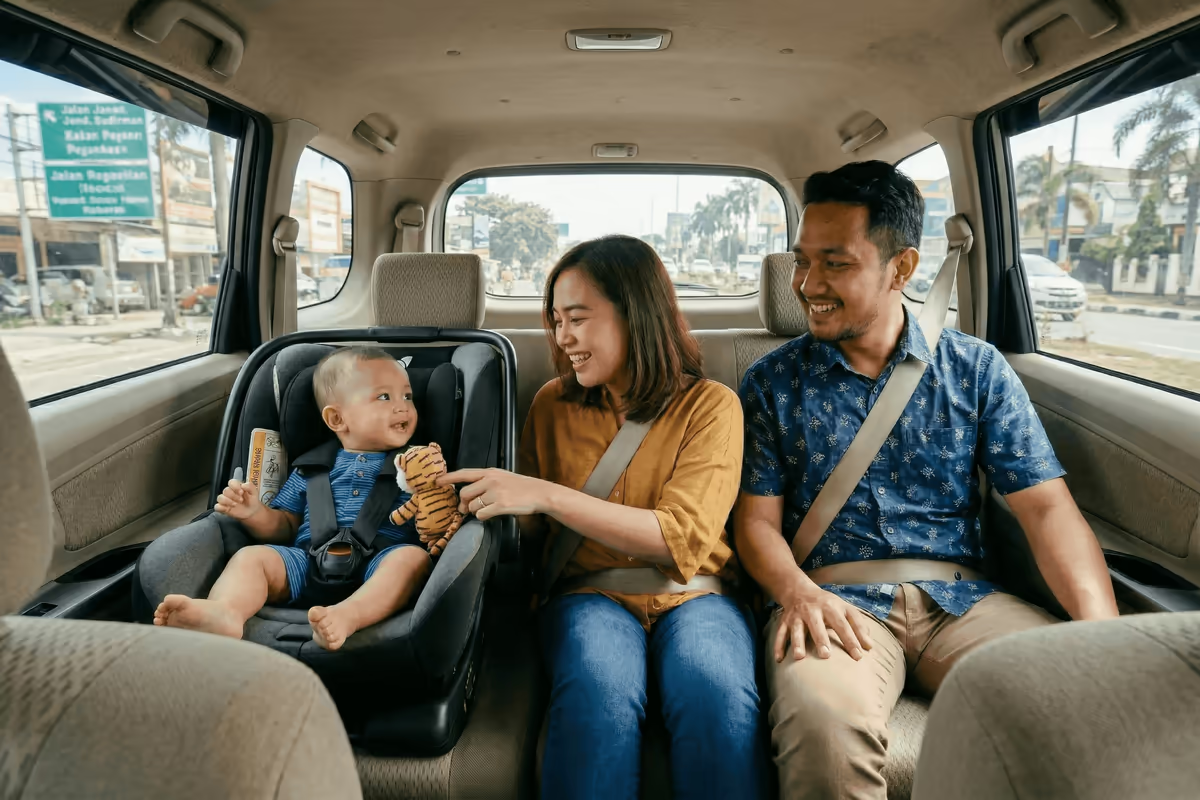
Family comfort starts with a realistic vehicle choice
Many families choose a rental car based solely on seat count. However, when traveling with a baby, space requirements are usually much larger than a typical trip. There are strollers, diaper bags, backup food, small pillows, toys, and extra suitcases that all need to fit in the trunk.
Cabin size and trunk capacity should be calculated from the start. A car that looks adequate on paper can feel cramped when all the baby gear is actually loaded. The result is a more tiring journey with items piled in the cabin and impractical access to baby essentials.
If your family itinerary is still being planned, check the family holiday rental car checklist to align vehicle needs with your travel pattern.
1. Count passengers and gear as one package
The first step is combining the number of passengers and the volume of gear in a single calculation. Two adults and one baby don't automatically mean a compact car is sufficient. In practice, space for a folding stroller, diaper bag, and support items can consume a large portion of the trunk.
If the family includes grandparents or more than one child, legroom and ease of entry/exit also need consideration. An overly packed car disrupts the rhythm of travel, especially when frequent stops are needed for feeding, diaper changes, or nursing.
2. Prioritize usable trunk space
A large trunk isn't just about volume in liters. What matters more is whether the space is easy to use. Some trunks look large but can't fit a stroller because the opening is narrow or the rear seat configuration reduces usable space.
For family trips, a flat trunk with easy access is far more practical. You won't need to rearrange multiple items every time you reach for baby supplies. This is especially valuable on trips with multiple stops throughout the day.
3. Check rear seat configuration for car seats
Baby car seats require ISOFIX anchors or a secure seatbelt setup for safe installation. Not all rental vehicles have ISOFIX points, so confirm this with the provider before booking.
The rear seat should also have enough width for a car seat plus an adult sitting beside the baby. In some compact cars, installing a car seat effectively blocks the adjacent seat, reducing practical capacity.
4. Consider climate control for the back seat
Babies are more sensitive to temperature changes than adults. Check that the rear AC vents are functional and adjustable. Some vehicles have separate rear AC controls, which is a significant comfort advantage for families.
During hot days in Greater Jakarta, the cabin temperature can differ noticeably between front and rear seats. A vehicle with good rear ventilation keeps babies comfortable and reduces fussiness during longer drives.
5. Ask about cabin cleanliness standards
For families with babies or toddlers, interior cleanliness is non-negotiable. Ask the rental provider about their cleaning procedure between rentals. Seats, door handles, and seatbelt buckles should be sanitized, not just visually clean.
A vehicle that smells of cigarette smoke or has stains on the seats is uncomfortable for adults and potentially harmful for infants with developing respiratory systems.
Conclusion
Choosing the right rental car for baby travel is about realistic planning, not assumptions. Calculate your actual space needs, verify safety features, and prioritize comfort details that make a real difference during the journey.